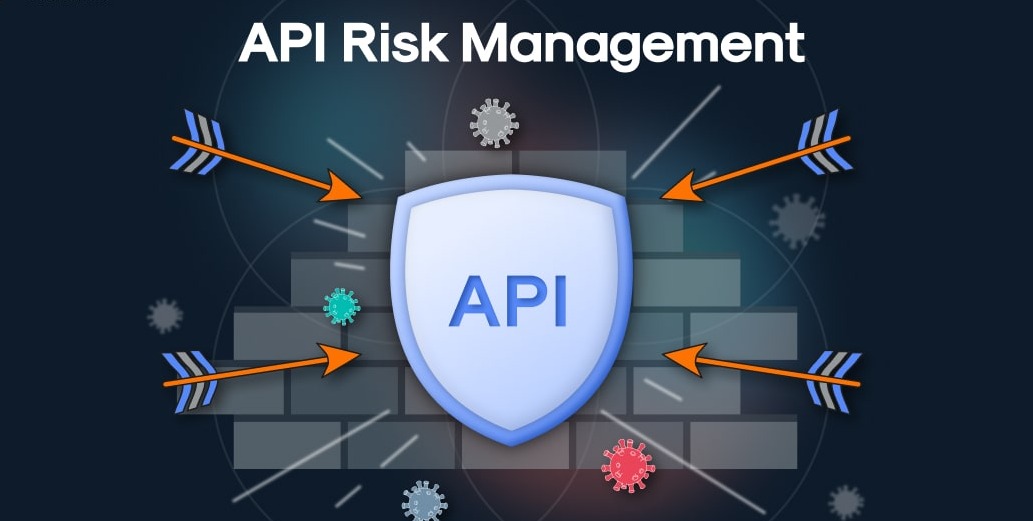
The primary issue is that without breaking fraudulent activity down into a series of stages, indicators, typical activities, etc., it’s nearly impossible to make a prediction that it’s about to occur again. And with manual behavior monitoring, it’s difficult to notice the warning signs beforehand, rather than after the fraud has occurred. According to FATF (Financial Action Task Force) Recommendations, companies must utilize a “Risk-based approach” when dealing with fraud and AML. This also includes additional vigilance based on specific threat levels, such as the country in which the transaction occurs, terrorism financing risk, whether or not you’re dealing with politically-exposed persons, and so on. And the response must match the threat level, meaning more effort must be put in in these circumstances to validate the source of funds, and must include continued monitoring and due diligence, even if no fraud has occurred in the past. Regtech solutions can analyze scenarios based on past activity, behavior, and warning signs to actually forecast possible outcomes — including fraudulent activity — rather than just noticing them after the fact. It can also continuously monitor specific cases with elevated threat levels to ensure that over time the same level of vigilance is applied — without requiring additional resources or manual case management. This actually reduces your risk of being complacent to fraud and helps prevent transactions from occurring in the first place, based simply on a set of standards that Regtech data tools can follow automatically.
Risk Analysis Management